pori

The wild  ·  Park by park  ·  World by world

The land changes
as you cross it.

Tanzania is not one landscape. In a single journey the ground shifts beneath you: cloud forest to soda lake, rift wall to open plain, ancient crater to river delta. Each world keeps different animals, different light, different silence. This is the country the way it actually arrives: not a checklist of parks, but a sequence of worlds, each one the reason to see the next.

There are more than twenty national parks in Tanzania. Most first journeys move through the north, where the great names sit close together. But the country runs south and west into wilder, emptier reserves that few travellers reach. Below: the north as most people meet it, and then the Tanzania you come back for.

Chapter one  ·  The Northern Circuit

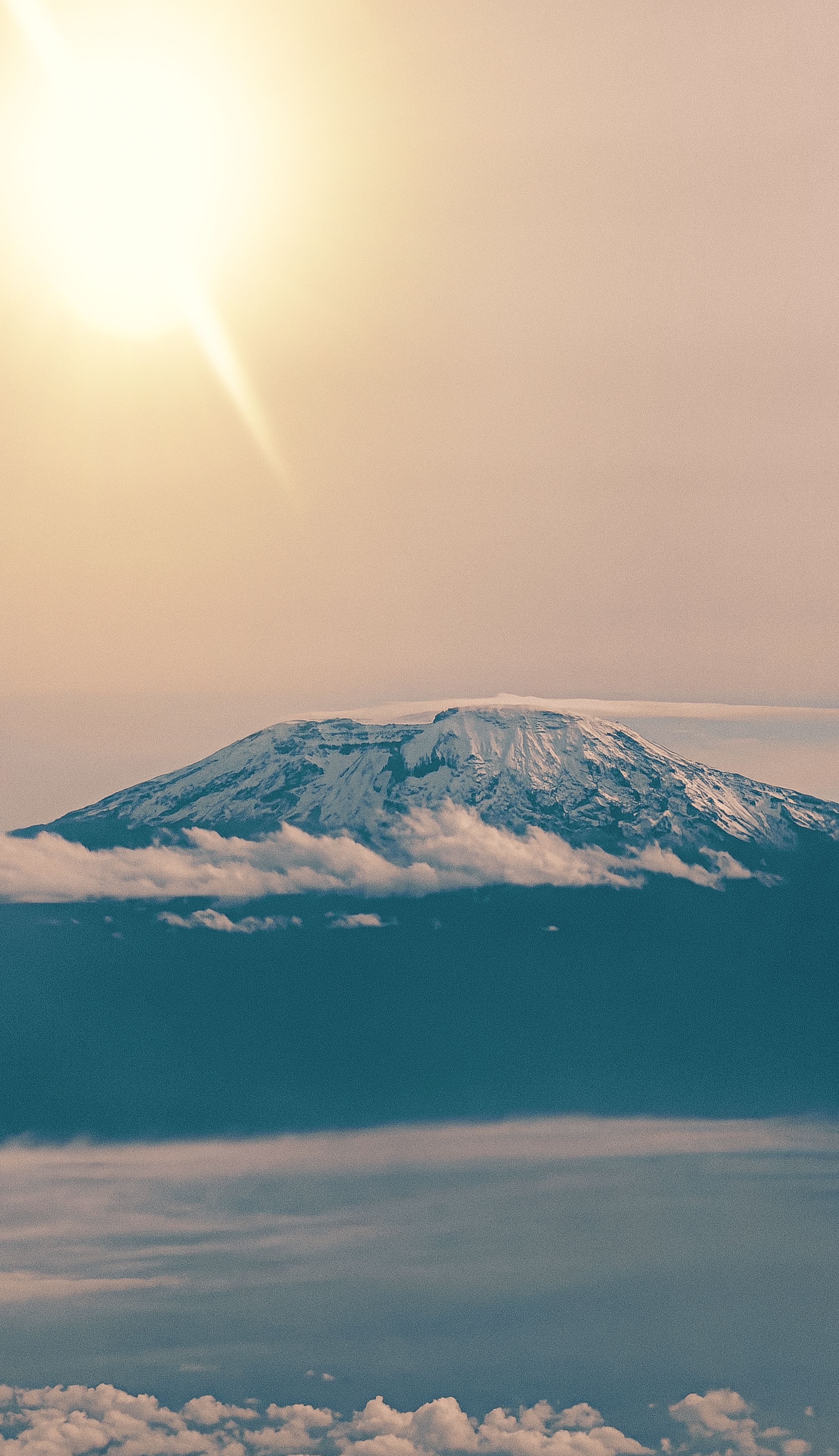
[ Kilimanjaro: summit above the cloud line ] 5,895m Kilimanjaro National Park · Chagga highlands
Mlima

Cloud forest · Coffee slopes · The roof of Africa

Kilimanjaro

where the journey begins, and the air thins

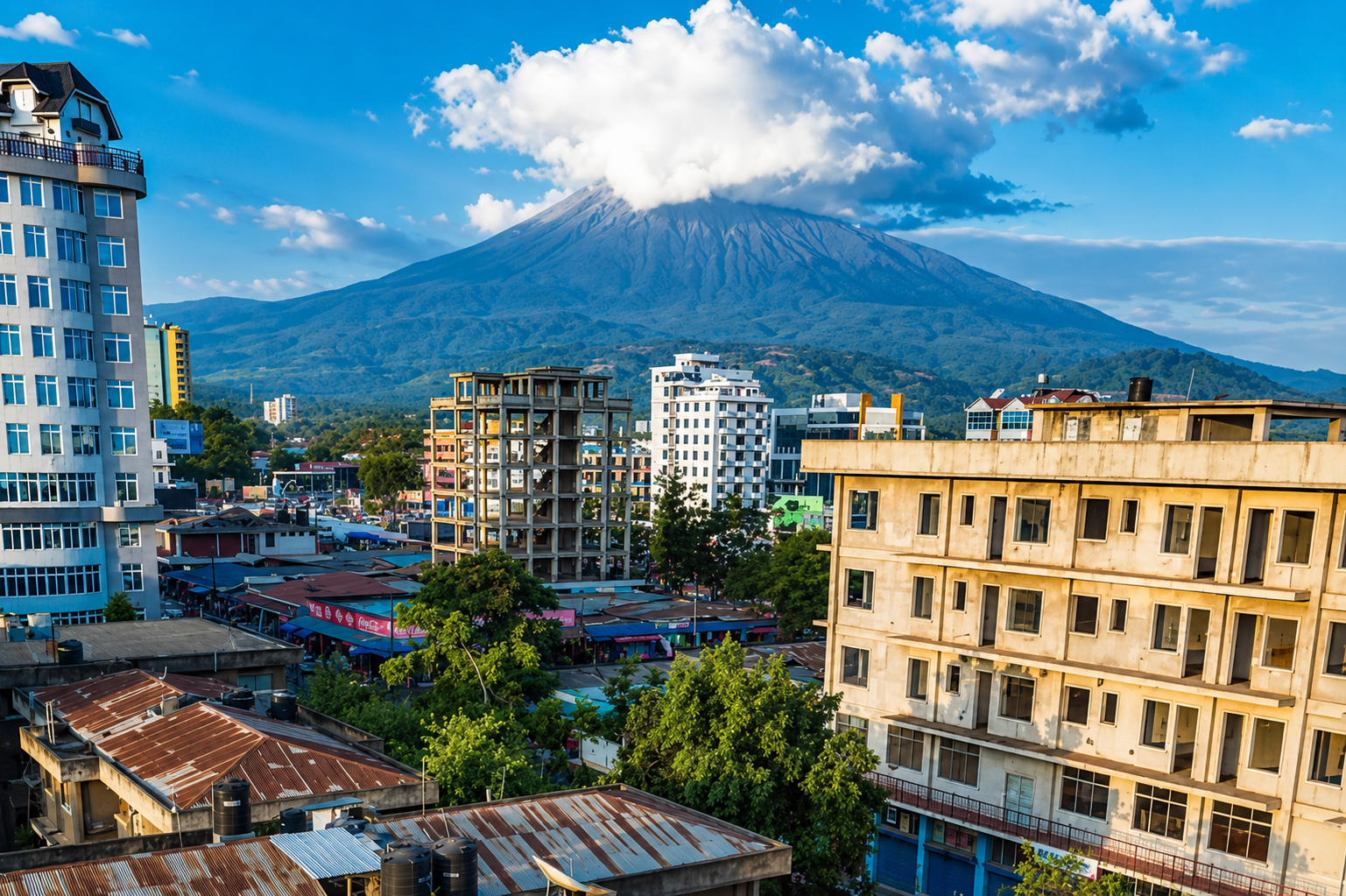
The first world is vertical. Rainforest wraps the lower slopes, giving way to moorland, then bare rock, then snow on the equator. You do not have to climb it to feel it. On the foothills at 1,700 metres the Chagga tend coffee under banana shade, and the mountain rearranges your sense of scale before you have gone anywhere at all.

Known forThe mountain itself; forest elephants, colobus monkeys, turacos on the lower slopes
WhenClear skies Jun–Oct and Dec–Feb
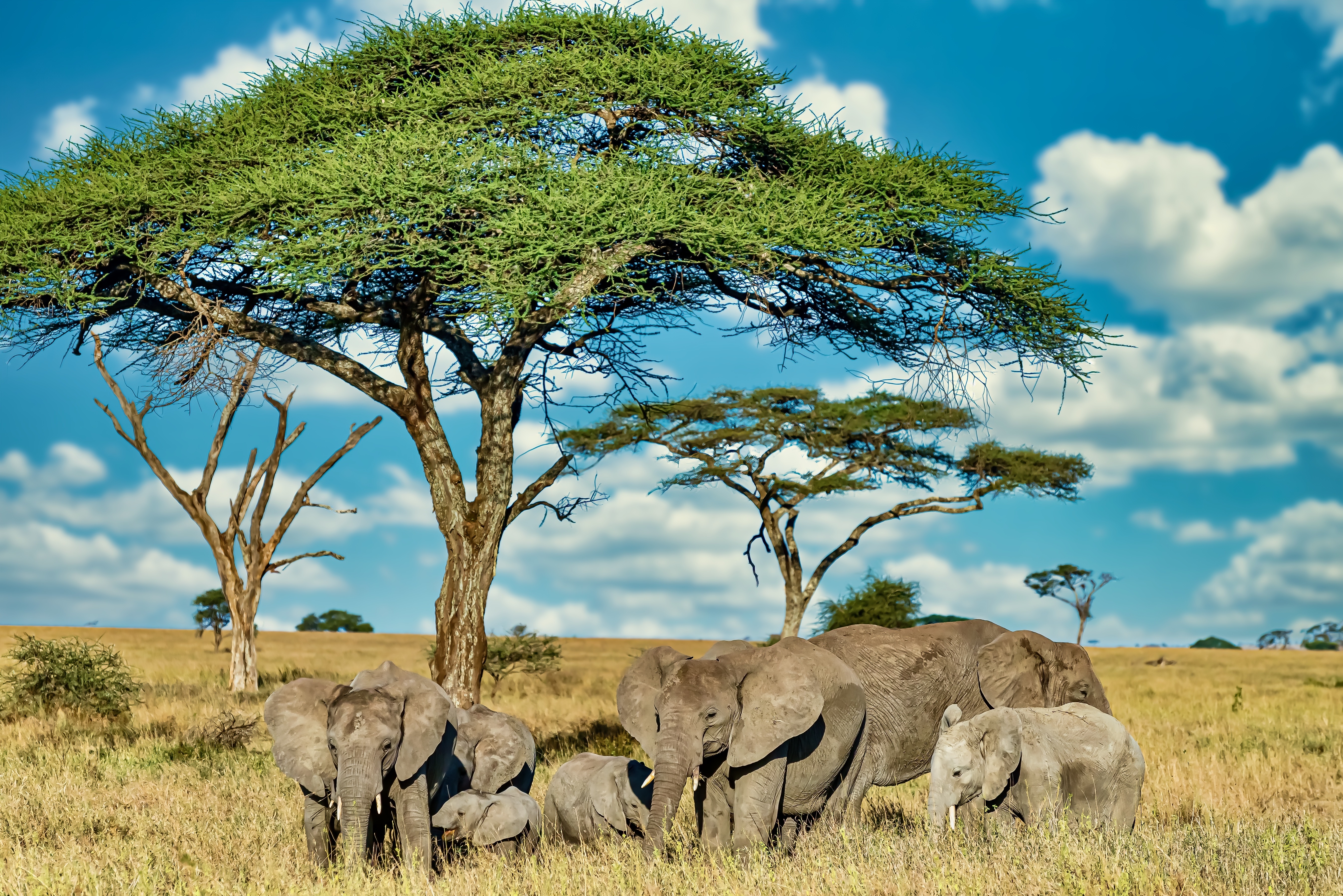
[ Tarangire: elephant herd beneath a baobab ] Baobab country Tarangire National Park
Tembo

Elephants · Baobabs · The dry-season river

Tarangire

More on Tarangire → the elephant country

Then the ground opens into ancient baobab and seasonal swamp. In the dry months the Tarangire River becomes the only water for miles, and the elephants come to it in numbers seen almost nowhere else in Tanzania: hundreds at once, families crossing the riverbed at dusk. Quieter than the famous parks, and often the one guests did not expect to love most.

Known forThe largest elephant gatherings in the north; baobabs; big cats and wild dog
WhenAt its best in the dry season, Jun–Oct
[ Lake Manyara: flamingos on the soda lake ] Soda lake Lake Manyara National Park
Ziwa

Groundwater forest · Alkaline lake · Birds in thousands

Lake Manyara

More on Lake Manyara → the small park that holds everything

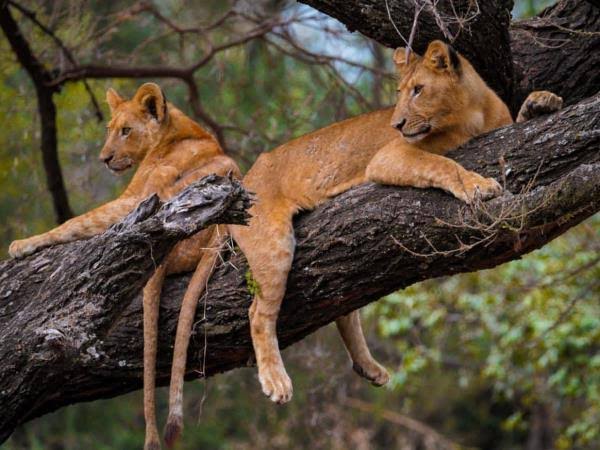
Small, and unlike anything around it. A shaded groundwater forest at the base of the Rift wall gives way to an alkaline lake that turns pink with flamingos. Baboons move through the canopy; lions occasionally rest in the acacia branches. In an hour you pass through more distinct habitats than some parks hold in a week.

Known forFlamingos and 400+ bird species; forest, lake and escarpment in one
WhenBirds peak in the green season, Nov–Mar
[ Ngorongoro: the crater floor at first light ] The caldera Ngorongoro Conservation Area
Kaldera

Volcanic crater · Big Five · Maasai homeland

Ngorongoro

More on Ngorongoro → a whole world inside one wall

The road climbs to a rim, and then the land simply falls away. Inside the largest intact volcanic caldera on earth, a self-contained world turns beneath you: grassland, soda lake, forest and swamp, walled by six hundred metres of crater wall. Almost every large animal lives here, including some of the last black rhino in the north: and the Maasai still graze cattle across the highlands above.

Known forThe Big Five in one descent; black rhino; the Maasai cultural landscape
WhenYear-round; mornings are the crater’s best hour
[ Serengeti: the migration crossing the plain ] Endless plains Serengeti National Park
Nyika

The migration · Big cats · The horizon that never ends

Serengeti

More on Serengeti → the plain that gives the country its name

And then the walls fall away entirely. Siringet: the place where the land runs on. More than a million wildebeest and zebra move across it through the year, followed by everything that hunts them, in the greatest wildlife spectacle left on the planet. But even without the migration, the Serengeti is the platonic idea of Africa: lions on a kopje, a cheetah reading the grass, a horizon with nothing on it but weather.

Known forThe Great Migration; the highest lion density in Africa; the open plain
WhenMigration moves with the seasons; calving Dec–Mar, river crossings Jul–Oct
[ Arusha National Park. Mount Meru and the lakes ] The gateway Arusha National Park
Meru

Mount Meru · Crater lakes · A first morning

Arusha

More on Arusha → the quiet overture, before the north opens

Overlooked because it sits at the doorstep. A compact park in the shadow of Mount Meru, with forest, crater lakes tinted by algae, and the black-and-white colobus swinging overhead. Giraffe move through the glades; you can walk here, on foot with a ranger, which almost nowhere else in the north allows. A gentle first world before the great ones.

Known forWalking safaris; colobus, giraffe, flamingo lakes; Mount Meru
WhenYear-round; a natural first or last day
mbali

Chapter two  ·  Beyond the North

There is another
Tanzania. Wilder.

South and west, the country empties out. Fewer roads, fewer camps, almost no other vehicles: and rivers and woodlands the northern circuit simply does not have. This is where people go when they come back a second time, and want the wilderness to themselves.

[ Ruaha: baobabs and the Great Ruaha River ] The wild west Ruaha National Park
Ruaha

Predators · Baobabs · Raw wilderness

Ruaha

More on Ruaha → the country’s best-kept secret

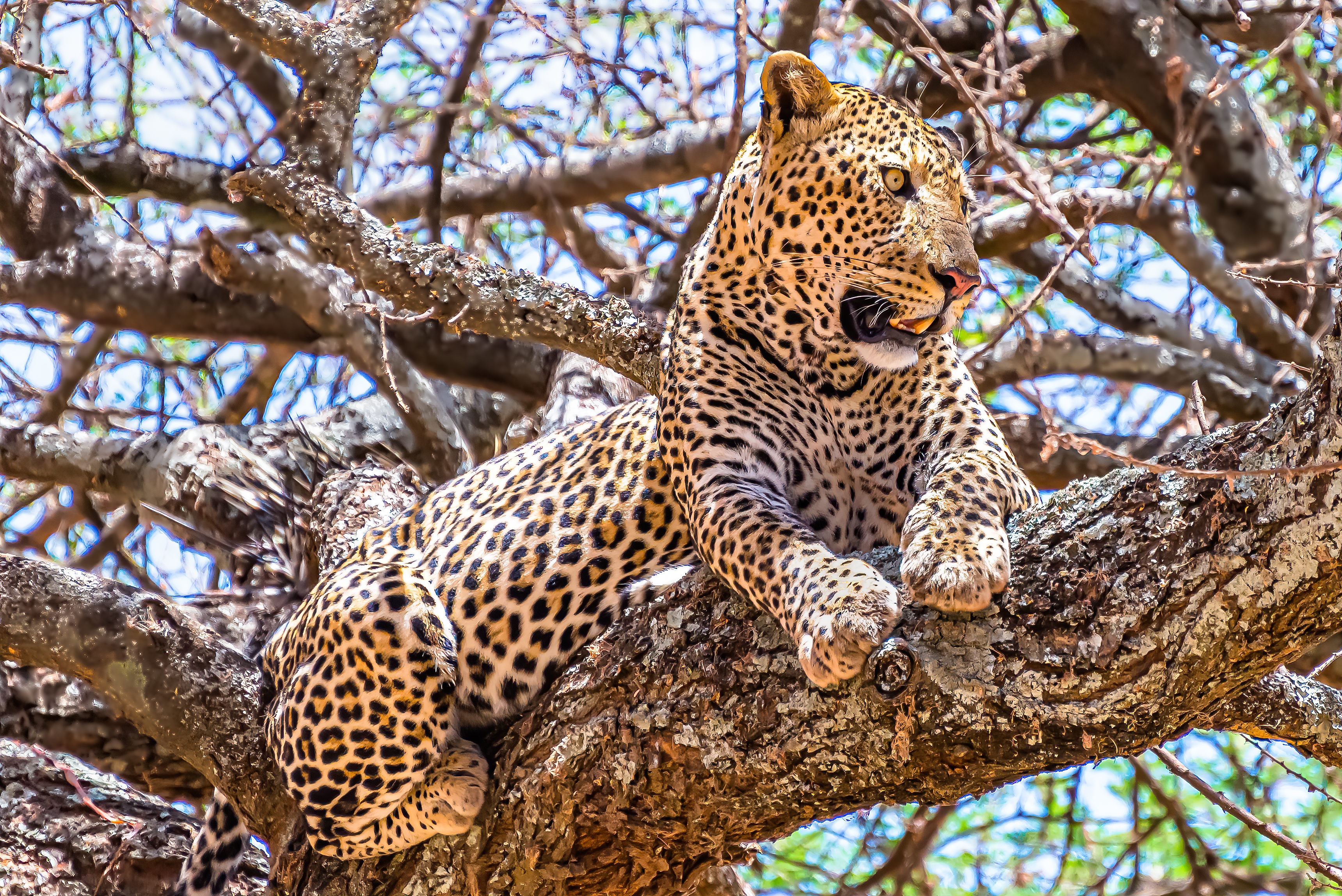
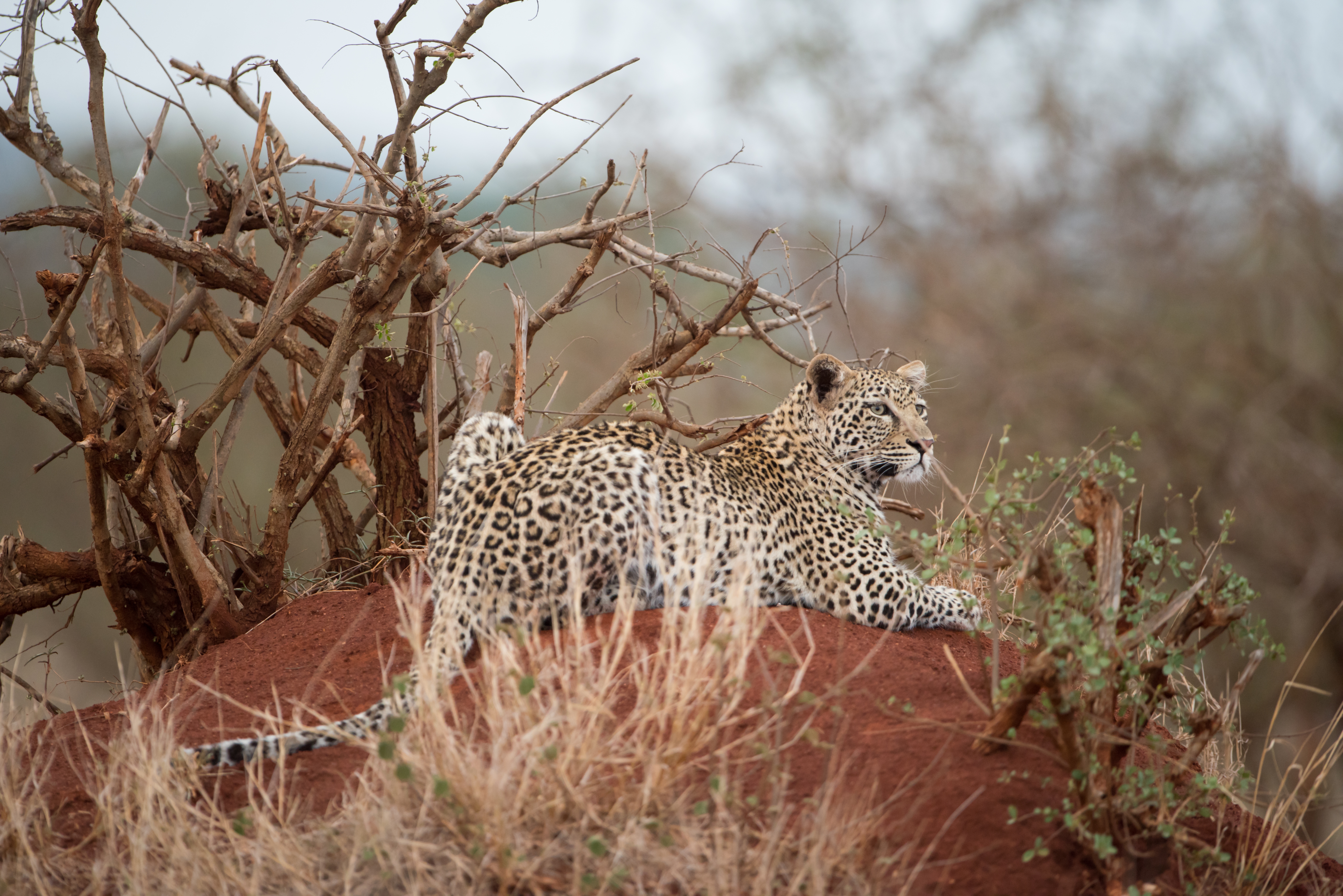
Tanzania’s largest national park, and one of its emptiest. Baobab-studded hills fall to the Great Ruaha River, where lion prides run large and leopard, cheetah and wild dog are all genuinely likely. It sits where East and Southern Africa meet, so species overlap here that you see together almost nowhere else. Walking safaris, few lodges, and a silence that feels prehistoric.

Known forLion, leopard, wild dog; 12,000+ elephants; walking safaris
AccessFly-in; pairs naturally with Nyerere
[ Nyerere: boat safari on the Rufiji River ] River delta Nyerere National Park · formerly Selous
Rufiji

Rivers · Boat safaris · Wild dog

Nyerere

More on Nyerere → the water you cannot find in the north

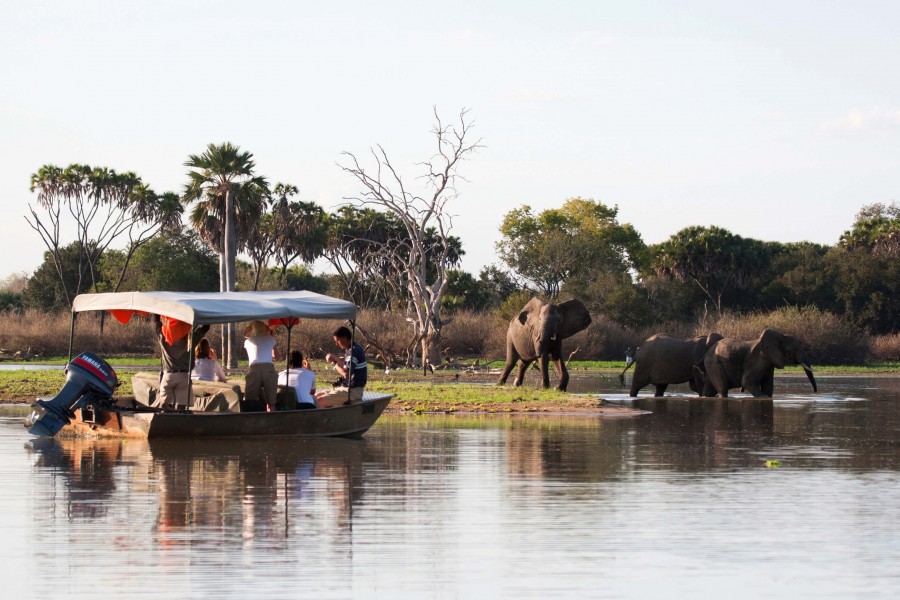
Africa’s largest national park, built around the meandering Rufiji River and its lakes. Here the safari changes shape: you go by boat as much as by vehicle, drifting past hippo pods and basking crocodiles, past some of the last great populations of African wild dog on the continent. Walking, night drives, water: a different grammar of wilderness entirely.

Known forBoat safaris on the Rufiji; wild dog; space and solitude
AccessA short flight from Zanzibar or Dar: easy bush-and-beach
[ Mahale: forested peaks meeting Lake Tanganyika ] Chimpanzees Mahale Mountains National Park
Sokwe

Chimpanzees · Rainforest · The great lake

Mahale

More on Mahale → where the forest meets an inland sea

The most remote world of all, and for many the most moving. Forested mountains drop straight into the impossibly clear water of Lake Tanganyika, and in that forest live around a thousand wild chimpanzees. You trek in on foot to sit with a habituated family: and end the day swimming in the lake with no road for a hundred miles. Nothing else in Tanzania feels like this.

Known forWild chimpanzee trekking; Lake Tanganyika; deep wilderness
AccessFly-in only; for those who want the far edge
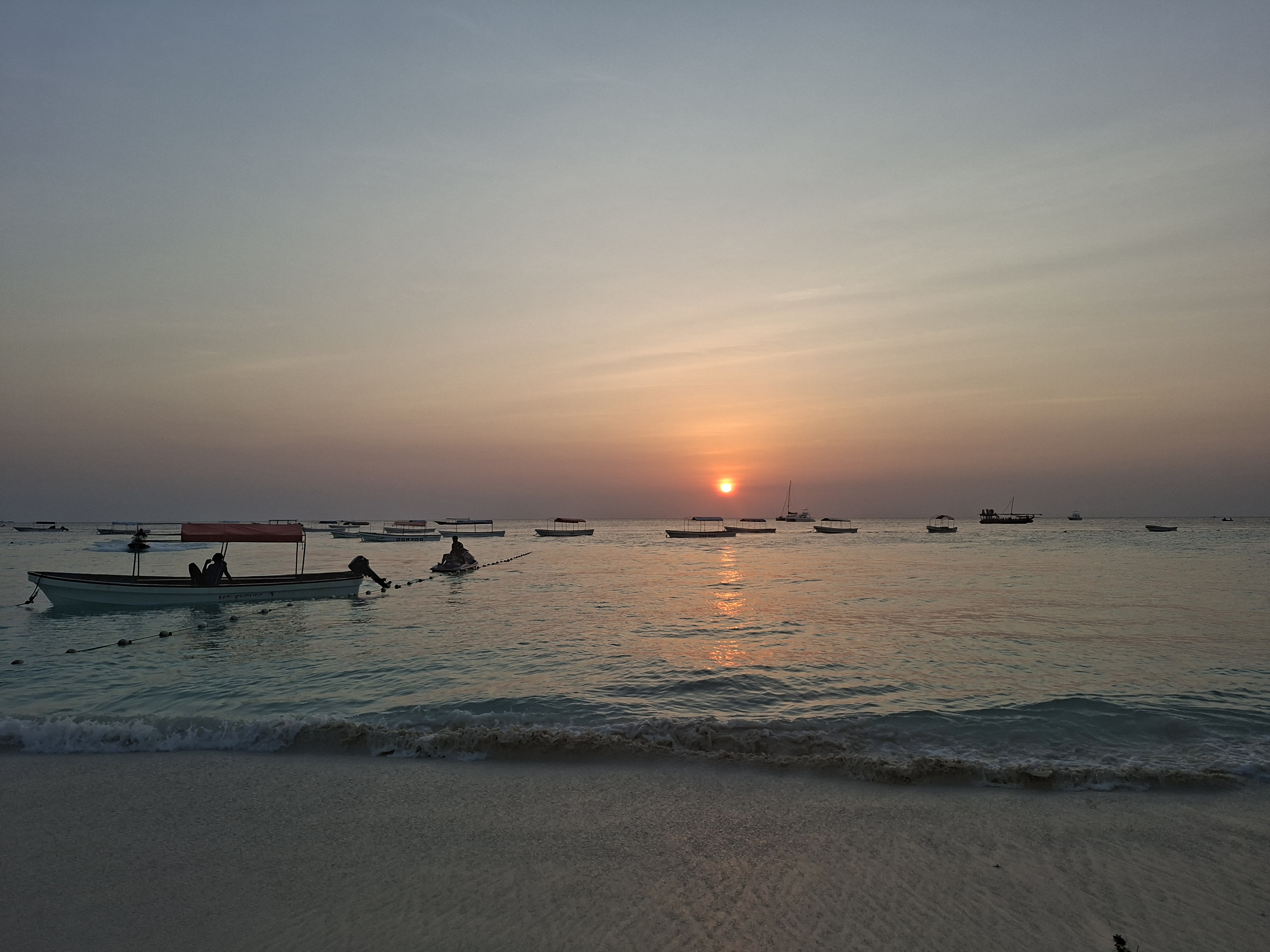
[ Zanzibar: reef and dhow on turquoise water ] The coast Zanzibar & the marine parks
Pwani

Reefs · Spice islands · The slow exhale

The coast

where the journey finally rests

And then the land runs out into the Indian Ocean. The Zanzibar archipelago closes almost every long journey. Stone Town’s seven centuries of Swahili history, and offshore, the coral gardens of Mnemba and the untouched reefs of Pemba. After the dust and the drama of the plains, the ocean is not an afterthought. It is the exhale the whole journey was building toward.

Known forReefs, dhows, spice farms, Stone Town; dolphins and, in season, whale sharks off Mafia
WhenYear-round; a natural end to any safari
wanyama

What lives in the worlds

Everything you
came to see.

The Big Five move through these pages — lion, leopard, elephant, buffalo, rhino — but they are only the opening cast. Cheetah reading the plain. Wild dog on the hunt, rarer than almost any of them. Giraffe against the acacia, hippo pods, the great river crocodiles. And over all of it, one of the richest bird lives on earth.

More than eleven hundred bird species live in Tanzania: flamingos turning a lake pink, crowned cranes stepping through the grass, the lilac-breasted roller opening into impossible colour, fish eagles calling over the Rufiji. You do not have to be a birder to be undone by it. You simply notice, somewhere around the third day, that the air itself is alive.

And the people of the land

The worlds are not empty. The Maasai on the Ngorongoro highlands, the Chagga on Kilimanjaro’s slopes, the Hadzabe still hunting near Lake Eyasi as they have for millennia, the Swahili of the coast. Tanzania’s wildlife and its people share the same ground, and the best days of a journey are often the ones spent among the second. That is the part the brochures leave out: and the part we build every journey around.

Your Tanzania

No two journeys
cross the same worlds.

Which of these belong in yours depends entirely on who is travelling, and what you are ready for. That is the conversation. Tell us which of these worlds is already pulling at you, and we will compose the sequence around you.