Tanzania  ·  Curated, never sold  ·  Composed for one group  ·  Year–round  ·  kwa moyo wote Enkiama — Tanzania, curated
Tanzania

A world  ·  Five worlds  ·  One country

A world,
not a destination.

Tanzania holds more distinct ecosystems, more geological eras, more living cultural traditions in one set of borders than almost anywhere on earth. It is not a place you visit once. It is a place you return to, because each world you enter reveals another you missed.

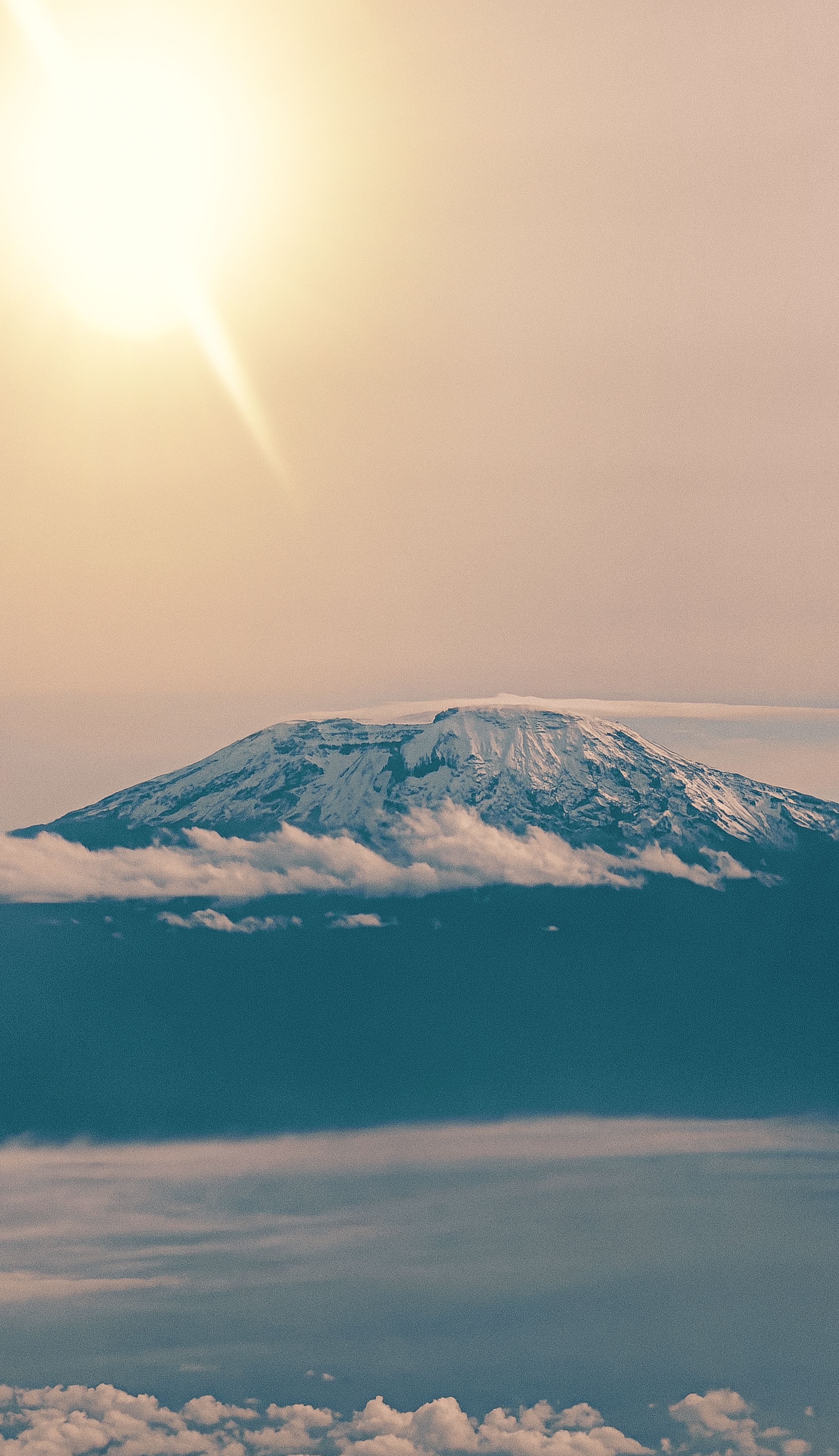
[ Kilimanjaro at dawn — summit emerging from cloud ] Africa’s highest point · 5,895m · Kilimanjaro

Why Tanzania

The scale is the first thing. Then, slowly, the intimacy.

Tanzania has the Serengeti. It has Kilimanjaro. It has Zanzibar. These are things that belong to any atlas. What an atlas cannot capture is the quality of light in the dry season, the silence after a herd passes, the altitude smell of the Kilimanjaro foothills, the warmth of a Swahili greeting on the coast.

Most people who travel here for the first time come for one of those three things. Most people who return come for something else entirely — the human warmth, the cultural depth, the feeling that they belong to this place in a way they cannot quite explain.

That is what we are here to help you find, whichever world you enter through.

945kkm² of protected land
5,895Metres — Kilimanjaro summit
120+Ethnic groups & languages
1.5MWildebeest — the migration

One country,
many registers.

Tanzania is not a set of destinations to be selected from a list. It is one continuous place — geologically connected, culturally layered, ecologically whole — that happens to speak in several registers. The names below are a vocabulary, not a menu. They are words you might reach for when trying to describe what is pulling at you. Which of them belong in your journey is not a choice you make from a catalogue. It is something we work out together.

[ Kilimanjaro — Lemosho route or Kibosho farm ] 5,895m Kilimanjaro · Kibosho corridor · Chagga highlands
Mlima

Trekking · Highland culture · Coffee farms

The mountain

Mlima — the peak that changes you

Africa’s highest peak and the Chagga cultural corridor winding through its lower slopes. At 1,700 metres, the coffee farms begin. The banana groves. The volcanic red soil. The Chagga people, who have farmed this mountain for generations and receive guests at their tables as a matter of course.

You do not need to summit to be changed by Kilimanjaro. The mountain rearranges your sense of scale whether you reach the top or not. The silence above the cloud line is unlike anything the savanna offers.

WhenYear-round; each season offers a different mountain
RoutesLemosho, Marangu, Rongai — we advise based on your group
CultureChagga homestays, coffee farms, Kibosho families
Nyika

Wildlife · Migration · Open plain

The savanna

Nyika — the plain that never ends

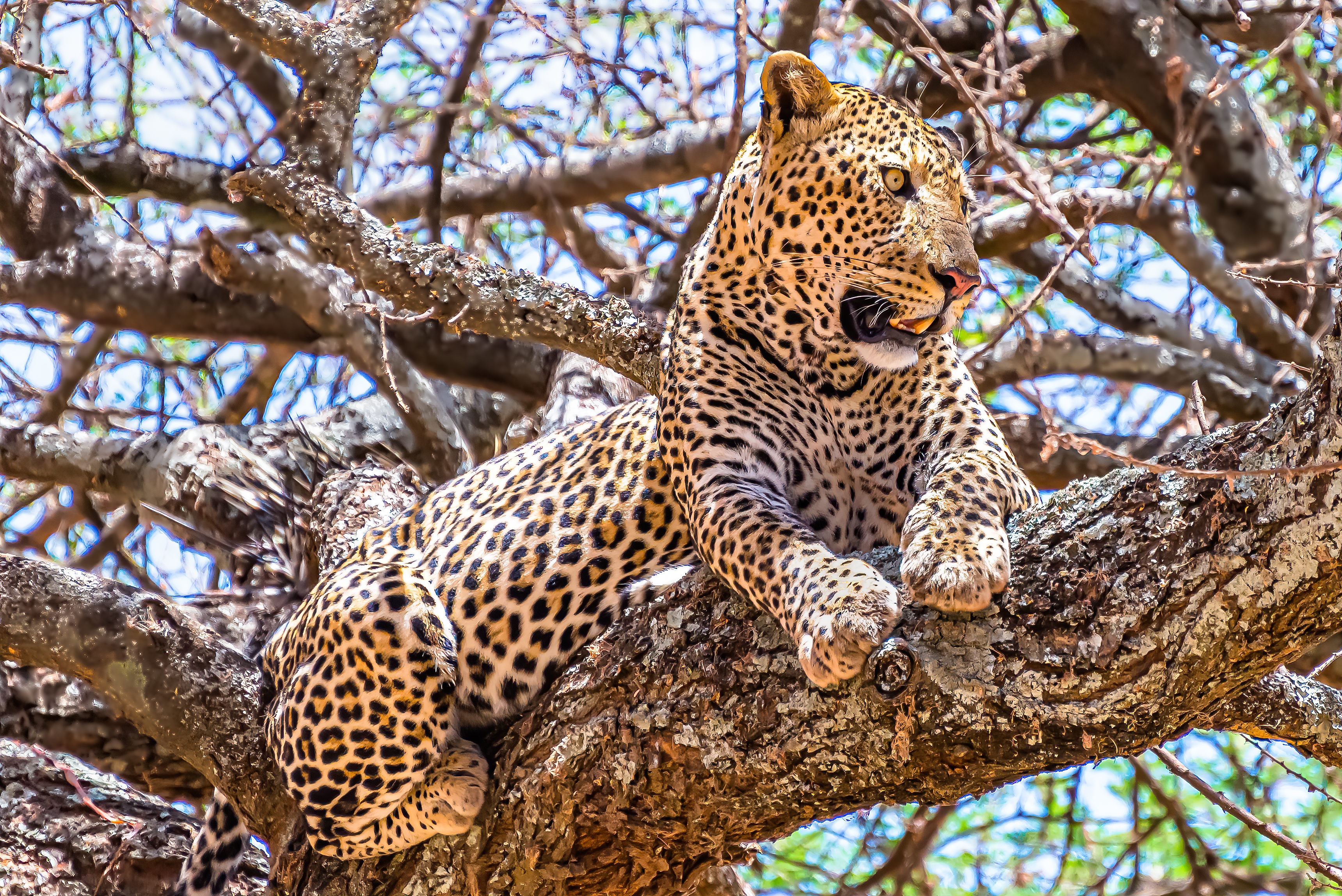
Two entirely different moods. The Serengeti — defined by the greatest land migration on earth, where 1.5 million wildebeest and 350,000 zebra move in a cycle as old as the ecosystem itself. And Tarangire — quieter, denser, defined by elephant highways and ancient baobabs and a silence the more famous parks have lost.

Our guides have followed both for decades. They know where the lion will be at dawn. They know which baobab the elephants return to. That knowledge is the difference between watching and belonging.

WhenYear-round; the migration moves, the plain never empties
SerengetiMigration, big cats, vast plain, northern corridor
TarangireElephants, baobabs, ancient quiet, fewer crowds
[ Serengeti — migration crossing or golden hour plain ] The great migration Serengeti · Tarangire · Northern corridor
[ Ngorongoro — crater floor at dawn, mist ] 600m deep Ngorongoro Crater · Ancient caldera · 25,000 animals
Bonde

Wildlife · Geology · Ancient world

The crater

Bonde — the valley that remembers

A collapsed volcano three million years in the making, now a self-contained ecosystem holding 25,000 animals within its walls. You descend through cloud forest, drop 600 metres, and emerge into a world that operates entirely by its own logic.

The alkaline lakes are pink with flamingos. The lions have never learned to leave. The landscape is ancient — the kind of ancientness that makes your own timeline feel brief and unimportant in the best possible way.

Geology3 million year old volcanic caldera, 260km² floor
WildlifeLion, elephant, black rhino, flamingo, hippo
DescentThrough cloud forest — one of the great arrivals
Utamaduni

Culture · Homestays · Community life

The culture

Utamaduni — the life that is already there

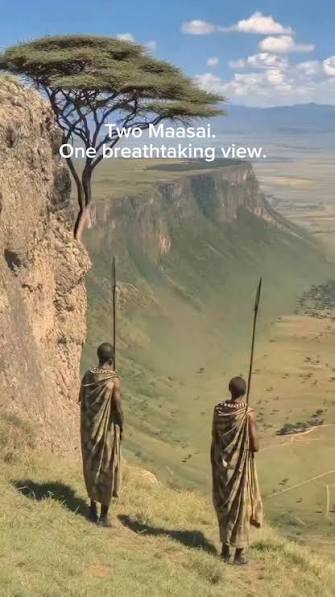
The world most safari itineraries treat as backdrop or bonus. Homestays with Chagga families at altitude. Evenings in Maasai bomas on the crater rim, introduced by a guide who is also a community member and whose relationship with the family precedes ours by years. Night markets in Moshi where nobody knows you are a tourist until you order badly.

When we enter a village, we bring the local guide — the person who was born there, whose access to the specific elder, the specific grove, the specific story is entirely their own. Not as a gesture. Because that morning is otherwise unavailable to anyone.

MaasaiCommunity visits, crater rim bomas, warrior tradition
ChaggaHomestays, coffee farms, mountain families
CitiesMoshi, Arusha — nightlife, markets, real Tanzanian life
[ Maasai boma or Chagga family — genuine, warm ] Ukarimu Maasai · Chagga · Swahili culture
[ Zanzibar — Stone Town alley or coral coast ] Indian Ocean Zanzibar · Pemba · Stone Town
Pwani

Coast · Indian Ocean · Swahili history

The coast

Pwani — the shore where everything slows

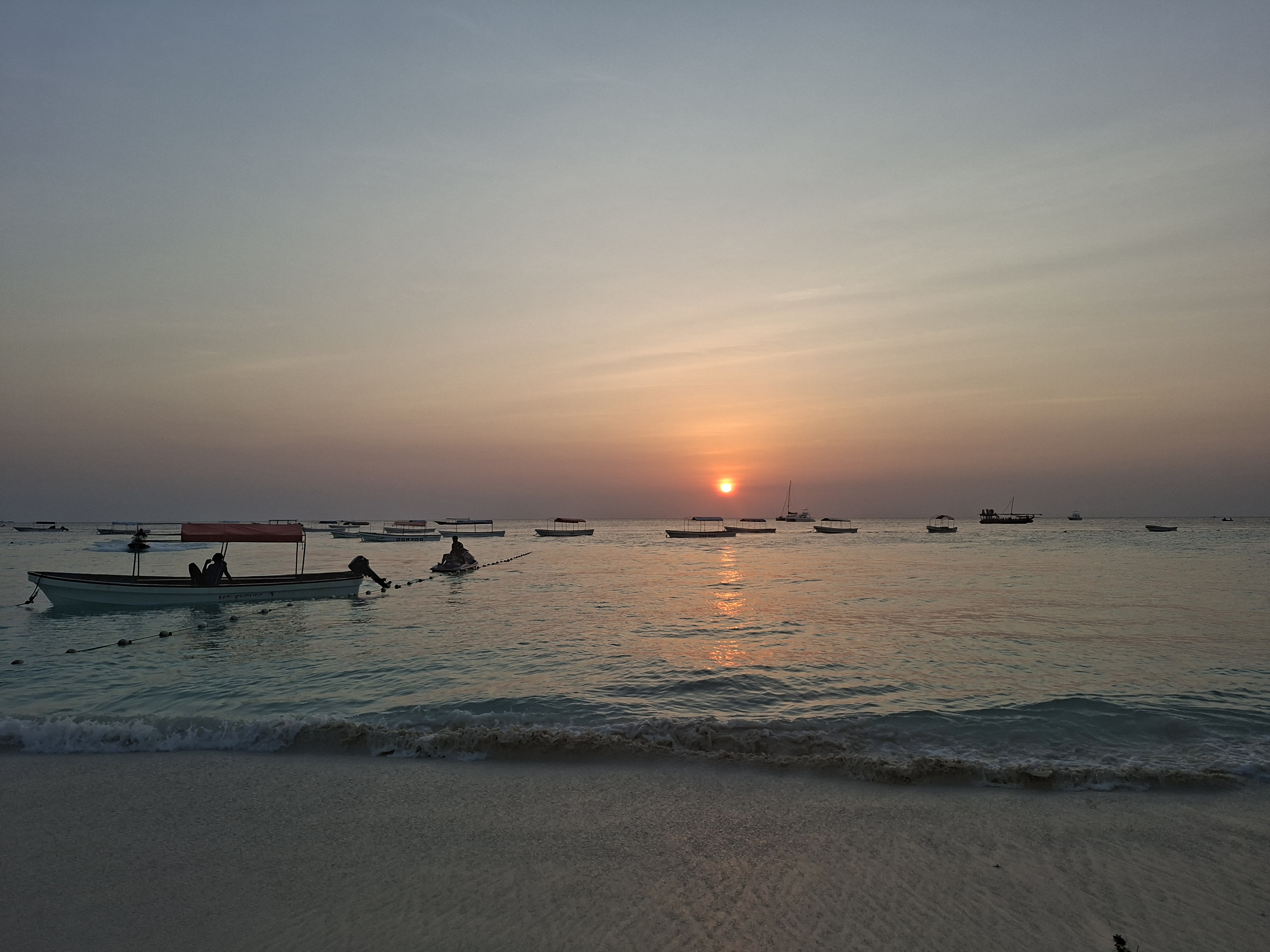
Stone Town’s narrow streets hold seven centuries of Swahili, Arab, Persian, Indian, and Portuguese history layered on top of each other. Zanzibar’s spice farms. Pemba’s untouched coral gardens. Warm water and a rhythm entirely different from the savanna — one hour’s flight from the Serengeti and another world entirely.

Many groups come for the safari and discover the coast on their last days. Many return for the coast alone. The Indian Ocean does something to the rhythm of a journey that no amount of spectacular wildlife can replicate.

Stone TownUNESCO heritage, spice history, Swahili architecture
ZanzibarCoral reefs, spice farms, white coast, warm water
PembaUntouched diving, clove forests, very few visitors
Season

No off-season — only different gifts

Tanzania is worth
travelling in every
month of the year.

The idea of a single “safari season” is a convenience invented for catalogues. The land does not stop being extraordinary in November. It simply changes register — greener, quieter, full of newborn animals, lit differently. The right time to come depends entirely on what you want to witness. Here is the year, honestly.

Dry

June – October

Grass dries to gold, animals gather at shrinking water, the air clears, Kilimanjaro sheds its cloud. The Mara crossings peak in July and August. The classic image of Tanzania — and the busiest, which is its only drawback.

The migration · Clear summits · Concentrated wildlife

Short

November

The short rains arrive in brief afternoon bursts that clear as fast as they come. The dust settles, the light turns cinematic, the crowds thin dramatically. One of the most underrated months in the entire calendar — and one of our favourites.

Dramatic skies · Fewer travellers · Lower rates

Green

December – March

The southern Serengeti turns emerald. The wildebeest calve — hundreds of thousands of births in a few weeks, and the predators that follow them. The coast is warm and clear. A completely different Tanzania to the dry season, and a profoundly alive one.

The calving · Green plains · Coast at its best

Long

April – May

The long rains. The least-travelled window — and for the right person, the most rewarding. The land is at its most lush, the light at its softest, the camps at their quietest, the rates at their gentlest. For travellers who want Tanzania almost to themselves.

Solitude · Lush landscape · The quiet country

Geology

Formed by fire,
shaped by water,
held by the Rift.

The East African Rift Valley runs through Tanzania like a spine — a geological seam that has been pulling the continent apart for thirty million years. Ngorongoro is its collapsed offspring. Kilimanjaro rose independently, a volcanic anomaly sitting at the edge of the rift’s shoulder. The Serengeti sits on a ancient craton that has not moved in half a billion years.

Understanding the geology changes the experience. When you understand why the crater exists, descending into it becomes something else entirely. When you know what the rift means, the scale of the savanna makes a different kind of sense.

Ecology

Six biomes.
One country.
Extraordinary density.

Montane forest, cloud forest, moorland, alpine desert, and summit ice on Kilimanjaro alone. Acacia savanna, dry woodland, and riverine forest on the plains. Mangrove, coral reef, and open ocean on the coast. No other country of similar size holds this concentration of distinct ecological zones.

This is why Tanzania rewards the traveller who moves across worlds rather than staying in one. Each transition is a complete change of register — of light, sound, smell, temperature, and the kind of attention the landscape asks of you.

M

The plateau people

Maasai

Seminomadic pastoralists whose traditional territory spans the crater rim and the open savanna. A warrior culture built around cattle, land, and a relationship with the ecosystem that long predates any national park boundary. Our Maasai partners carry this knowledge in everything they do.

C

The mountain people

Chagga

Bantu farmers who have cultivated the southern slopes of Kilimanjaro for centuries — one of the most intensively farmed mountain environments on the continent. The Kibosho corridor, where our family partner lives, produces some of the finest coffee in Africa from volcanic soil at 1,700 metres.

S

The coast people

Swahili

A maritime culture formed at the intersection of the African interior, the Arab world, Persia, India, and Portugal across a thousand years of Indian Ocean trade. Stone Town is their most legible monument. The Swahili language, now Tanzania’s national tongue, was their most enduring creation — and one of the warmest you will ever encounter.

Begin here

You now have the vocabulary.
Tell us the sentence
you want to write.

Most groups move across two or three worlds — shaped by who they are, what they’re ready for, and what the season makes possible. Tell us which worlds pull at you. We will tell you who we know in them, what the right time of year looks like, and which local specialists could extend what our core partners offer. No quotation. Just a conversation, honest in both directions.

Begin the conversation How we work →